


MENA.click editorial visual · 2026.
Stockholm is unusually good at making a capital city feel spacious. Water breaks the center into islands, ferries double as public transport, museums sit inside parks, and entire afternoons can disappear into cafés, waterfront walks and neighborhoods that rarely demand a strict sightseeing schedule. It is polished without feeling sealed off, historic without being trapped in its old town, and compact enough that a first visit can be ambitious without becoming exhausting.
The timing is particularly interesting in 2026. Stockholm ranked third among the international destinations showing the strongest year-over-year growth in Google Flights searches for summer trips departing U.S. airports. At the same time, Google says search interest in “solo travel” and “slow travel” reached all-time highs. Stockholm happens to suit both habits extremely well: it is easy to navigate alone, and it rewards travelers who stay in one city long enough to notice how different each island feels.
Stockholm fits the way more travelers want to travel in 2026
Google’s summer travel data put Stockholm among 2026’s fastest-rising international flight searches from the United States. The more interesting part is how naturally the city aligns with the broader trends Google is seeing: solo travel, slower trips and a desire to spend more time in one destination instead of racing between several.
The city is an archipelago before it is a checklist
Central Stockholm spreads across islands and waterfront districts. Boats are not merely excursions; they are part of the city’s everyday transport logic and one of the most satisfying ways to understand its geography.
Good urban design is part of the travel experience
Stockholm’s appeal is visible in things travelers actually use: public transport, waterfront promenades, parks, museums, cafés, furniture, shops and buildings that often feel considered rather than improvised.
A capital that works well at one-person scale
Walkable central districts, straightforward public transport, café culture and museums make it easy to build a full day without needing a car, a tour group or constant logistical negotiation.
Stockholm rewards the unscheduled hour
The best memories often happen between landmarks: a ferry across the harbor, a long fika, a second-hand shop on Södermalm or an evening walk after museums have closed.
Summer owns the light. Shoulder season owns the breathing room.
Stockholm changes dramatically across the year. There is no single correct season, but there is a meaningful trade-off between daylight, outdoor life, price and crowd levels.
Long evenings and full archipelago mode
Summer is the easiest season for ferries, swimming spots, outdoor dining and long days on foot. It is also when international demand is strongest, so book high-priority hotels, restaurants and timed museum visits earlier than you would in winter.
The smart shoulder
Late spring and early autumn can deliver excellent walking weather with less pressure on the most popular hotels. Ferry schedules and opening hours become more important outside peak summer, so check the exact day rather than relying on a generic itinerary.
Museums, design and winter atmosphere
Winter is darker and colder, but Stockholm is unusually strong indoors. Museums, restaurants, cafés, design stores and hotel lounges carry more of the trip, while snow and ice can completely change the visual character of the waterfront.
Choose your Stockholm by neighborhood before choosing your hotel
Stockholm’s central districts are close on a map but noticeably different in mood. Your hotel base decides whether the trip feels historic, polished, creative, convenient or quiet after dinner.
Norrmalm
Visit Stockholm calls Norrmalm the city’s public-transport hub, with Stockholm Central and T-Centralen here. It is the most practical base for airport arrivals, short stays, shopping and easy movement in every direction. Choose it when convenience matters more than sleeping inside the prettiest historic streets.
Södermalm
Stockholm’s creative side is easiest to feel on Södermalm: independent shops, second-hand fashion, cafés, bars, restaurants and elevated viewpoints. It is a strong base for couples and repeat visitors who want evenings to happen near the hotel rather than around Central Station.
Gamla Stan
Stay inside Stockholm’s oldest district for medieval lanes, the Royal Palace and early-morning access to streets that become much busier later in the day. Historic buildings can mean smaller rooms, stairs and quirky layouts, so read room details carefully rather than booking on atmosphere alone.
Östermalm
Long associated with upscale shopping and fine dining, Östermalm is the polished choice. It works especially well for travelers who want premium hotels, elegant streets, Östermalm Market Hall and easy access toward Djurgården’s museums.
Vasastan or Kungsholmen
Both districts can feel more residential while remaining connected to the center. They suit longer stays, repeat visitors and travelers who would rather end the day on a neighborhood street than beside a major attraction.
Norrmalm first time. Södermalm for more personality.
If you are staying three nights and arriving by air or train, Norrmalm is difficult to beat for efficiency. If you have four or five nights and care more about cafés, dinner and neighborhood energy, Södermalm often produces the more memorable stay.
6 highly rated Agoda hotels in Stockholm
Six premium stays selected for location, style and strong Agoda guest feedback. Hotel photos load only when the article opens, so they do not slow the WordPress import.
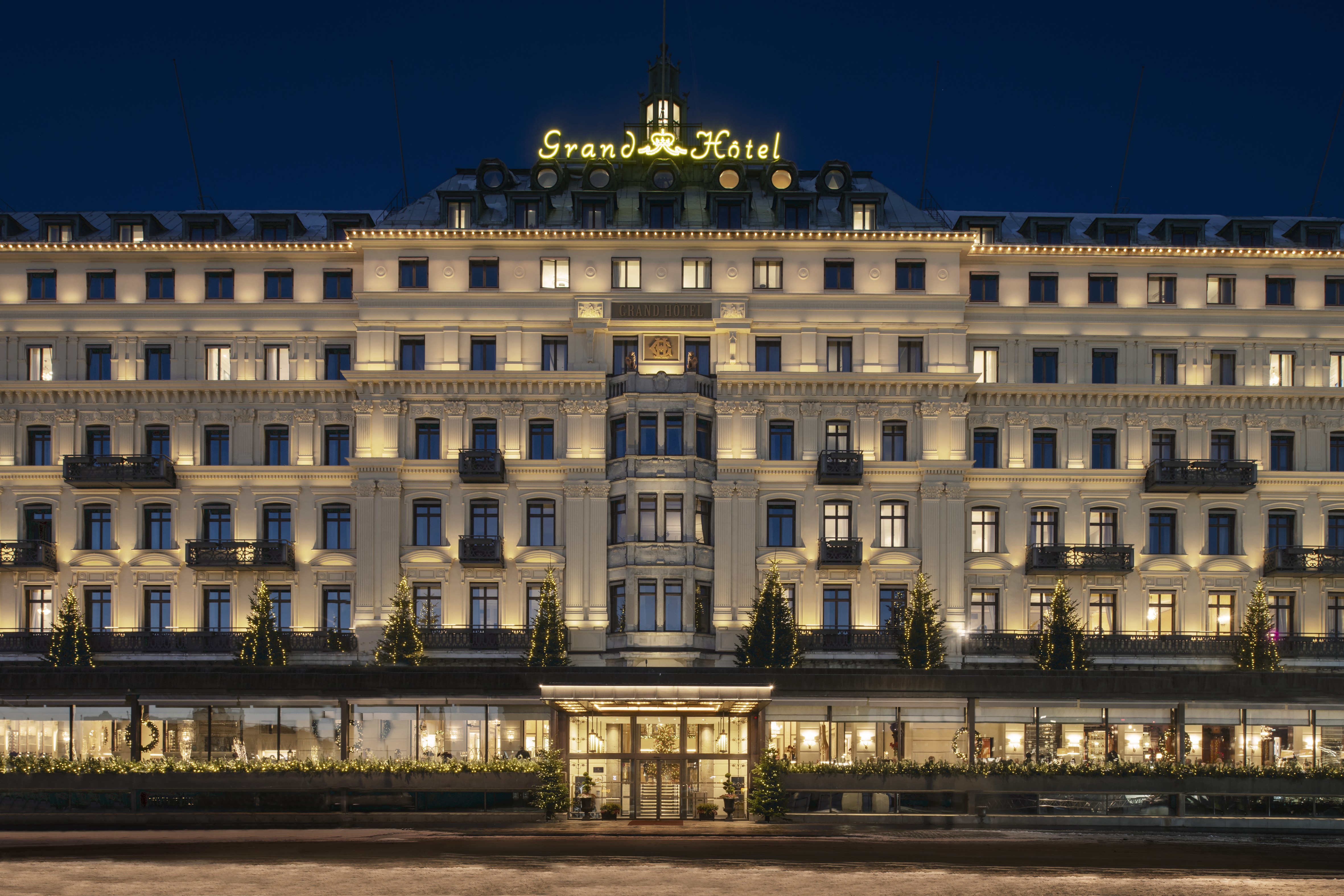
Grand Hôtel Stockholm
Landmark waterfront luxury opposite the Royal Palace, with exceptional guest feedback and one of Stockholm’s most prestigious addresses.

Hotel Skeppsholmen
A design-led stay on green Skeppsholmen, close to the Vasa Museum and central waterfront while feeling unusually calm.

Radisson Blu Waterfront Hotel Stockholm
The practical premium choice beside Stockholm Central, ideal when airport and rail connections matter as much as the room.

Hotel Rival
A stylish Södermalm base on Mariatorget with strong service scores and restaurants, cafés and nightlife close by.

Lydmar Hotel
Boutique five-star luxury beside Nationalmuseum, combining a central waterfront position with highly rated service and atmosphere.

At Six
Contemporary five-star design at Brunkebergstorg with excellent location scores, art-led interiors and a strong food-and-bar scene.
MENA.click may earn a commission when you book through Agoda links on this page.
Ratings are publication-date snapshots; prices and availability can change at any time.
Five experiences that explain Stockholm better than a giant attractions list
Stockholm is easiest to understand as layers: medieval city, royal capital, maritime power, modern design center and gateway to an archipelago. These experiences give a first visit that structure.
Walk Gamla Stan before the day gets crowded
Stockholm’s oldest district dates to the 13th century. Start around Stortorget, then let the narrow lanes pull you toward the Royal Palace, the cathedral and the waterfront. Early morning gives the architecture space; late evening gives it atmosphere. The middle of the day is when tour groups naturally concentrate around the same small core.
See the Vasa—and give the museum more than an hour
The Vasa sank on its maiden voyage in 1628 and was salvaged in 1961 after more than three centuries underwater. Its scale becomes clear only once you stand beside the preserved warship. The museum is not simply about a famous maritime accident; it tells a story about engineering, politics, craftsmanship, conservation and the ambitions of 17th-century Sweden.

MENA.click editorial visual · 2026.
Make Djurgården a half-day rather than a museum transfer
Djurgården is both a museum cluster and a green escape. The Vasa Museum, Skansen, ABBA The Museum and other attractions sit in a landscape where walking between stops is part of the day. Choose one major museum and one secondary stop, then leave time for the waterfront and park paths.
Climb Södermalm for the city’s best sense of geography
Monteliusvägen runs for roughly 500 meters along Södermalm’s heights with views toward Lake Mälaren, City Hall and Riddarholmen. Pair it with Mariatorget, small shops and a café rather than turning it into a ten-minute photo stop. The view makes Stockholm’s islands finally click into place.
Use the water as transport at least once
Even if you do not have time for a full archipelago day, take a commuter boat or ferry within the inner harbor. If you do have an extra day, Visit Stockholm points travelers toward Waxholmsbolaget services for islands such as Vaxholm, Grinda and Sandhamn. The journey is part of the destination.
In Stockholm, fika is not a snack break. It is part of how the day is structured.
Swedish food culture makes more sense when you stop treating coffee as fuel. Fika creates a deliberate pause—often coffee plus something baked—and Stockholm is full of bakeries and cafés where that pause can become one of the most local-feeling parts of a visitor’s day.

MENA.click editorial visual · 2026.
Choose the bakery, then slow down
Visit Sweden describes cinnamon buns as a staple of fika and points to Stockholm cafés ranging from traditional konditori to specialty-coffee bakeries. Try both a kanelbulle and a cardamom bun during the trip; more importantly, resist the urge to eat either while rushing to the next museum.
Östermalm Saluhall is useful context, not only lunch
The brick market hall opened in 1888 and remains an institution for fish, meat, cheese, prepared food and traditional delicacies. It is a polished introduction to Swedish ingredients and a good stop between central Östermalm and Djurgården.
Eat the famous dishes without stopping there
Meatballs, herring, salmon and open sandwiches belong in the conversation, but Stockholm’s restaurant scene is much broader. Modern Swedish cooking draws heavily on seasonality, seafood, preservation, vegetables and a restaurant culture that is increasingly international.
Book one destination meal; improvise the others
A premium Stockholm trip benefits from one dinner planned well in advance, especially on Friday or Saturday. Leave at least one other evening open for a neighborhood restaurant you notice while walking. A city this food-conscious does not require every meal to be a trophy reservation.
A four-day Stockholm itinerary with enough space to enjoy the city
This route keeps transfers short and avoids placing three major museums on the same day.
Gamla Stan, City Hall and the first waterfront evening
Morning: Start early in Gamla Stan around Stortorget, the Royal Palace exterior and the lanes between Västerlånggatan and the quieter eastern side of the old town.
Afternoon: Cross toward Riddarholmen and City Hall. If you want a guided interior visit or tower access, check current schedules before the day.
Evening: Walk toward Norrmalm or the waterfront around Kungsträdgården for dinner. Keep the first night geographically simple.
Djurgården, Vasa and polished Östermalm
Morning: Go directly to the Vasa Museum and give it proper time before the largest visitor waves arrive.
Afternoon: Stay on Djurgården for a second attraction or a long park-and-waterfront walk. Do not commute back across the city for lunch unless you have a reservation worth the detour.
Evening: Move into Östermalm. Visit the market hall if timing works, then build dinner around the district’s restaurants and bars.
Södermalm, views, design and fika
Morning: Explore SoFo and the streets around Nytorget when shops and cafés begin opening. This is a day for small stops rather than one dominant attraction.
Afternoon: Take a deliberate fika, browse design and second-hand stores, then walk toward Mariatorget and Monteliusvägen.
Evening: Stay on Södermalm for dinner and drinks. The neighborhood becomes more rewarding when you do not immediately leave after sunset photographs.
Put Stockholm on the water
Option A: Use ferries and commuter boats for a shorter inner-archipelago day if your flight or train leaves later.
Option B: With a full day, choose one archipelago destination such as Vaxholm or Grinda and plan around the actual boat timetable.
Final evening: Return for the dinner you have been saving, or simply take one last waterfront walk. Stockholm looks different after you have seen the city from the water.
Walk first, use SL second, and treat ferries as part of the transport network
Stockholm is one of those cities where transport can improve the trip rather than interrupt it.
One network, several modes
SL covers the metro, buses, commuter trains, trams and selected ferry services across Greater Stockholm. Visit Stockholm’s June 2026 guide lists a single adult ticket at 43 SEK, valid for 75 minutes, with 24-hour, 72-hour, 7-day and longer passes also available.
You do not need to master a ticket office first
Single fares can be purchased in the SL app and at several points in the system; Visit Stockholm also notes that a credit card can be used at gates and on buses. If you will make many journeys, compare the period passes before tapping individual fares all day.
The express train is the speed option
Arlanda Express currently states an 18-minute non-stop journey between Stockholm Central and the airport, with regular departures. It is fast rather than cheap, so couples and groups should compare current train promotions with airport buses, commuter options and taxis.
Check what your SL ticket covers
Some commuter boat routes are part of normal Stockholm public transport, while longer archipelago services use separate rules. Visit Stockholm recommends checking SL and Waxholmsbolaget for the exact route and season before setting out.
Small details that make Stockholm easier
The city is straightforward to visit, but a few practical choices remove unnecessary friction.
Cards are normal
Sweden is highly card-oriented. Carry a payment card that does not punish foreign transactions, and keep a second payment method separate as backup.
Book summer selectively
You do not need to reserve every hour, but premium restaurants, popular hotel categories and time-sensitive experiences are worth securing when dates are fixed.
Respect the cobbles
Gamla Stan is beautiful and uneven. Comfortable shoes matter, especially if the itinerary includes Södermalm viewpoints and a full museum day.
Check ferry schedules twice
Archipelago services vary by season and route. Confirm the outbound and return sailing before committing to an island day.
Stockholm is at its best when you stop trying to finish it
The city’s strongest luxury is not excess. It is space: space between buildings, space beside the water, space in the parks, and enough order in the transport system that you can give some of your schedule away. See the Vasa. Walk Gamla Stan. Eat well. Stay in the neighborhood that fits your evenings. Then leave an afternoon open for a ferry, a bakery and whatever looks better than the plan you wrote before arriving.
That slower rhythm is not a compromise. In Stockholm, it is the point.